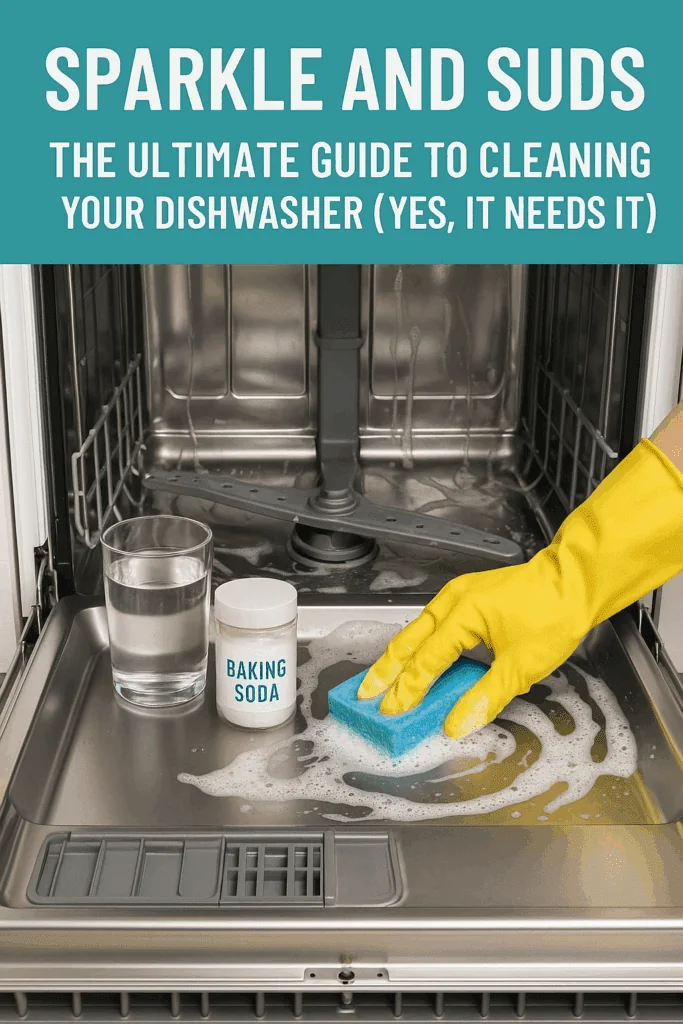
Sparkle and Suds: The Ultimate Guide to Cleaning Your Dishwasher (Yes, It Needs It!)
If your dishwasher could talk, it would probably say, “Hey, remember me? The one who cleans your dishes every day while you go binge-watch your shows? Maybe I’d like a little cleaning too!”
That’s right—your dishwasher needs some TLC. While it’s a cleaning machine, it doesn’t actually clean itself. Over time, grease, soap scum, food debris, and even minerals from hard water can build up, leaving it grimy, stinky, and less effective at its job. But don’t worry! With a few easy steps and a sprinkle of elbow grease, you can make your dishwasher shine like new and have your dishes sparkling again.
Why Cleaning Your Dishwasher Matters
Think about it—your dishwasher handles all the food scraps, sauces, and grime from your plates, glasses, and pans. When that buildup accumulates, it can:
-
Clog filters and spray arms, reducing cleaning power.
-
Cause unpleasant odors that make your “clean” dishes smell funky.
-
Leave streaks and residue on glassware.
-
Shorten the life of your appliance.
A clean dishwasher isn’t just about appearances—it’s about keeping it efficient, hygienic, and running like a champ for years to come.
How Often Should You Clean It?
Here’s the sweet spot:
-
Wipe down weekly. Keep things fresh by cleaning the door and removing any debris around the gasket.
-
Deep clean monthly. This removes buildup and mineral deposits.
-
Descale every 2–3 months (especially if you have hard water).
A little consistency goes a long way—and your dishwasher will repay you with spotless dishes and zero weird smells.
The Step-by-Step Deep Clean
Let’s roll up our sleeves and get that dishwasher back to its prime.
1. Empty It Out Completely
Start with a blank canvas—no dishes, no silverware, no detergent pods lurking in the corner.
2. Clean the Filter
This is where gunk likes to hide. Pull out the bottom rack, twist out the filter (usually a cylinder or mesh screen), and rinse it under warm water.
For stubborn grime, soak it in hot soapy water and use a soft brush or an old toothbrush to scrub away the buildup.
Pro Tip: Never run your dishwasher without the filter properly in place—it protects your pump from debris!
3. Check the Spray Arms
Those little holes in your spray arms can get clogged with hard water or food particles. Use a toothpick or paperclip to clear them out.
4. Clean the Door and Gasket
Wipe around the rubber gasket and edges of the door with a damp cloth and mild detergent. This area often traps grime and causes odors.
5. Run a Vinegar Cycle
Place a dishwasher-safe cup filled with white vinegar on the top rack and run a hot water cycle. The vinegar will dissolve grease and loosen mineral deposits—basically giving your dishwasher a spa day.
6. Run a Baking Soda Cycle
After the vinegar cycle, sprinkle about one cup of baking soda on the bottom of the dishwasher and run a short hot cycle. This step deodorizes and brightens the interior.
Bonus Tip: If you want to get fancy, you can also add a few drops of lemon essential oil for a fresh scent.
7. Descale with Dishwasher Cleaner (Optional)
If you live in an area with hard water, use a commercial dishwasher cleaner or descaler every few months to prevent mineral buildup.
Common Dishwasher Cleaning Mistakes
Let’s make sure your efforts don’t go to waste! Avoid these common blunders:
-
❌ Using bleach and vinegar together — it creates toxic fumes.
-
❌ Scrubbing with steel wool — it can scratch stainless steel interiors.
-
❌ Ignoring the seals — that’s where odor-causing bacteria love to hide.
-
❌ Overloading the dishwasher — even a clean one can’t fix that!
Bonus: Keep It Fresh Between Cleans
-
Leave the door slightly open after each cycle to prevent mildew.
-
Run hot water in your sink before starting a cycle (it helps the dishwasher start hot).
-
Wipe spills or food bits out as soon as you see them.
-
Use rinse aid to keep spots off glasses and help with drying.
When to Call in the Pros
If your dishwasher smells like something crawled in and never came out, or you’re seeing water pooling in the bottom even after cleaning—it may be time for a professional cleaning.
Final Rinse: A Clean Dishwasher is a Happy Dishwasher
Think of cleaning your dishwasher like brushing your teeth—it keeps things fresh, efficient, and long-lasting. Regular care not only saves you from expensive repairs but also ensures every plate, cup, and fork comes out gleaming.
So go ahead—pour that vinegar, sprinkle that baking soda, and show your dishwasher some love. It works hard for you… now it’s your turn to return the favor.